
The evolution of casinos tracing their historical journey through time
The Origins of Gambling
The history of casinos begins long before the establishment of formal gaming houses. Archaeological evidence indicates that various forms of gambling have existed for thousands of years, with ancient civilizations in China, Egypt, and Rome engaging in games of chance. These early forms of gambling often involved dice, betting on the outcomes of events, or games that used rudimentary elements akin to modern card games. In these societies, gambling was not only seen as a pastime but also as a method of divining the future, which contributed to its cultural significance. As gaming technology advanced, platforms like wettsonn.uk emerged, adapting to the changing landscape.
As societies evolved, so did the complexity of their gaming practices. The Chinese developed the first known lottery-like game as early as 205 BC, which laid the foundation for future gambling enterprises. Additionally, the Romans popularized dice games, which they played in social gatherings and military campaigns, further embedding gaming into their culture. As these practices spread along trade routes, they influenced various other cultures, setting the stage for the organized gambling establishments that would follow.
The transition from informal gaming to more structured forms began in the Middle Ages, particularly in Italy. It was here that the term ‘casino’ first emerged, originally referring to a small country villa or social club. By the 17th century, dedicated gaming houses began to emerge, reflecting the growing popularity of gambling among the elite. These early casinos catered to affluent patrons, offering games like baccarat and early versions of poker, thus marking the beginning of a structured gambling industry.
The Rise of Modern Casinos
The 18th and 19th centuries saw a significant transformation in the casino landscape. The first official casino, Casino di Venezia, was established in Italy in 1638, paving the way for similar establishments throughout Europe. The emergence of the gaming industry in cities like Monte Carlo further popularized casinos, with lavish facilities attracting visitors from across the globe. These casinos were designed not just for gaming but also as grand entertainment venues, complete with restaurants and live performances, creating an all-encompassing social experience.
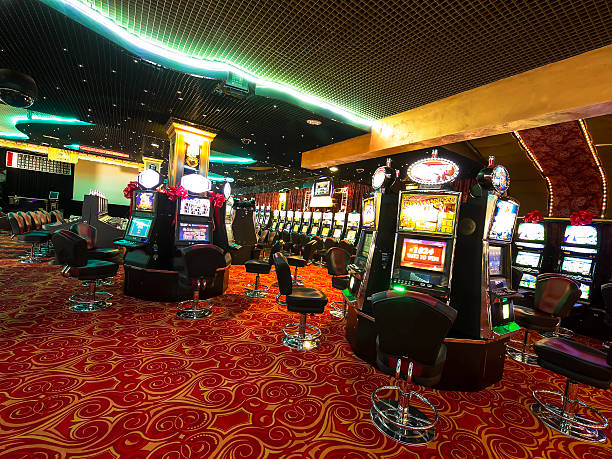
As the Industrial Revolution progressed, technological advancements played a crucial role in reshaping gambling. The introduction of mechanical slot machines in the late 19th century changed the dynamics of gambling, making it accessible to a broader audience. These machines offered easy gameplay and the potential for large payouts, leading to their rapid adoption in casinos worldwide. This era marked a significant shift from traditional table games to mechanical games, laying the groundwork for the modern casino experience.
The legalization of gambling in various parts of the United States during the early 20th century catalyzed the rapid expansion of casinos. Las Vegas, in particular, emerged as a global gambling hub, attracting millions of visitors with its extravagant resorts and high-stakes gaming. The glitzy allure of Las Vegas casinos transformed the perception of gambling, elevating it to a mainstream entertainment option. This marked the beginning of a new era where casinos became synonymous with luxury and extravagance.
The Digital Revolution in Gaming
The turn of the 21st century ushered in the digital revolution, radically altering the casino landscape. Online casinos began to appear, providing players with the convenience of gambling from the comfort of their homes. This shift not only expanded the reach of casino games but also introduced a wider variety of gaming options. Players could now access numerous games, from traditional table games to innovative slots, all at the click of a button, broadening the appeal of gambling to a diverse audience.
The incorporation of advanced technology such as random number generators and secure payment systems allowed online casinos to gain legitimacy and attract players wary of the risks associated with internet gambling. This technological evolution not only enhanced user experience but also ensured fairness and security in online gaming transactions. As a result, online platforms became trusted alternatives to physical casinos, allowing for unprecedented growth in the industry.
The rise of mobile gaming further revolutionized how people engage with casinos. With the introduction of smartphones and tablets, players could now enjoy gaming experiences on the go. Mobile casinos optimized for small screens provided seamless access to a plethora of games, making gambling more convenient than ever. This shift has not only increased player engagement but has also encouraged casinos to innovate continuously, integrating features like live dealer games and virtual reality experiences to enhance the gaming environment.
The Future of Casinos
As casinos continue to evolve, the integration of cutting-edge technology remains at the forefront. Innovations such as artificial intelligence and virtual reality are being explored to enhance player experiences significantly. AI can analyze player behavior to personalize game suggestions, while virtual reality can create immersive environments where players can interact in ways previously unimaginable. These advancements may redefine how casinos operate, making the gaming experience more interactive and engaging.
Sustainability is also becoming a crucial concern for modern casinos. As awareness of environmental issues grows, casinos are seeking ways to reduce their carbon footprint and promote responsible gaming. Initiatives such as energy-efficient designs and waste reduction programs are being adopted, reflecting a commitment to environmental stewardship and appealing to a socially conscious audience.
The ongoing evolution of regulations surrounding gambling will also play a significant role in shaping the future of casinos. As more jurisdictions reconsider their stances on gambling, the emergence of new markets presents exciting opportunities for growth. Adapting to these changing regulations while maintaining player security and promoting responsible gaming will be essential for casinos to thrive in this dynamic environment.

The Role of Online Gaming Platforms
In today’s fast-paced gaming world, online platforms like Wettson Casino have emerged as significant players, offering a fresh alternative to traditional casinos. Tailored specifically for UK players, these platforms provide a diverse array of gaming options, from classic table games to innovative slots and live dealer experiences. This versatility caters to a wide range of preferences, attracting a diverse audience and ensuring an engaging gaming experience.
Wettson Casino distinguishes itself with its flexible bonus structures and multiple payment options, including cryptocurrency. This modern approach not only enhances the convenience of transactions but also caters to the preferences of a growing demographic that values digital currencies. The emphasis on speedy processing for deposits and withdrawals is essential in today’s fast-paced environment, ensuring that players can focus on their gaming without unnecessary delays.
Furthermore, the commitment to security and engagement sets Wettson Casino apart. By operating under a license from Costa Rica, the platform provides players with a secure gaming environment, ensuring that their information and funds are protected. With generous welcome bonuses and ongoing promotions, players can maximize their experience, making Wettson Casino an appealing choice for those seeking innovative and reliable online gaming solutions.